The Shepherd of Hermas
The early Christian bestseller that almost made it into the Bible.
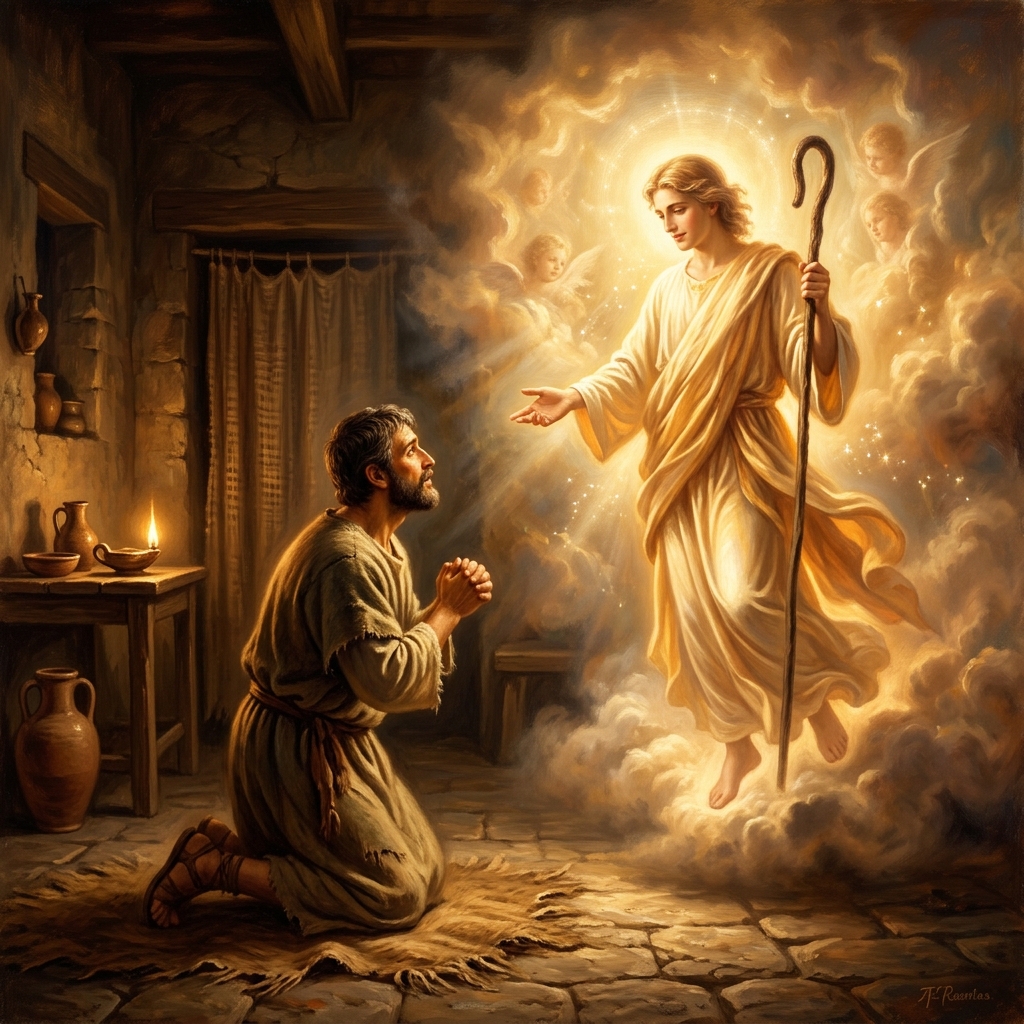
An enormously popular early Christian apocalyptic text written in Rome, consisting of five Visions, twelve Mandates, and ten Similitudes delivered to Hermas by an angelic figure in the form of a shepherd. It was considered scripture by many early Christians.
Open in interactive timeline →Verified Facts
- The Shepherd was so widely read and respected that it appears in the Codex Sinaiticus (4th century)—one of the oldest complete Christian Bibles—bound right alongside the canonical New Testament books.
- Irenaeus, Clement of Alexandria, and Origen all quoted it as scripture. It was only gradually excluded from the canon over the 3rd and 4th centuries.
- The theology is notably different from later orthodox Christianity: it describes a "Spirit Christology" where the Holy Spirit pre-exists and indwells Jesus, rather than the later Trinitarian formula. There is no mention of the crucifixion or resurrection.
- The Muratorian Fragment (the earliest known list of NT books, c. 170 CE) acknowledges the Shepherd but says it should be read privately, not publicly in churches, "since it was written very recently, in our times."
Frequently Asked Questions
Who was The Shepherd of Hermas?
An enormously popular early Christian apocalyptic text written in Rome, consisting of five Visions, twelve Mandates, and ten Similitudes delivered to Hermas by an angelic figure in the form of a shepherd. It was considered scripture by many early Christians.
When did The Shepherd of Hermas live?
The Shepherd of Hermas: c. 100–160 CE.
Why does The Shepherd of Hermas matter?
The early Christian bestseller that almost made it into the Bible.
Sources & Further Reading
Cite This Page
AskHistoryAI. “The Shepherd of Hermas.” AskHistoryAI — Interactive Timeline of Everything. Updated 2026-09-11. https://askhistoryai.com/event/cf-shepherd-hermas/
Every fact on this page is checked against the published fact ledger and methodology; sources are listed above.