Playing Cards
The birth of portable, randomized gaming.
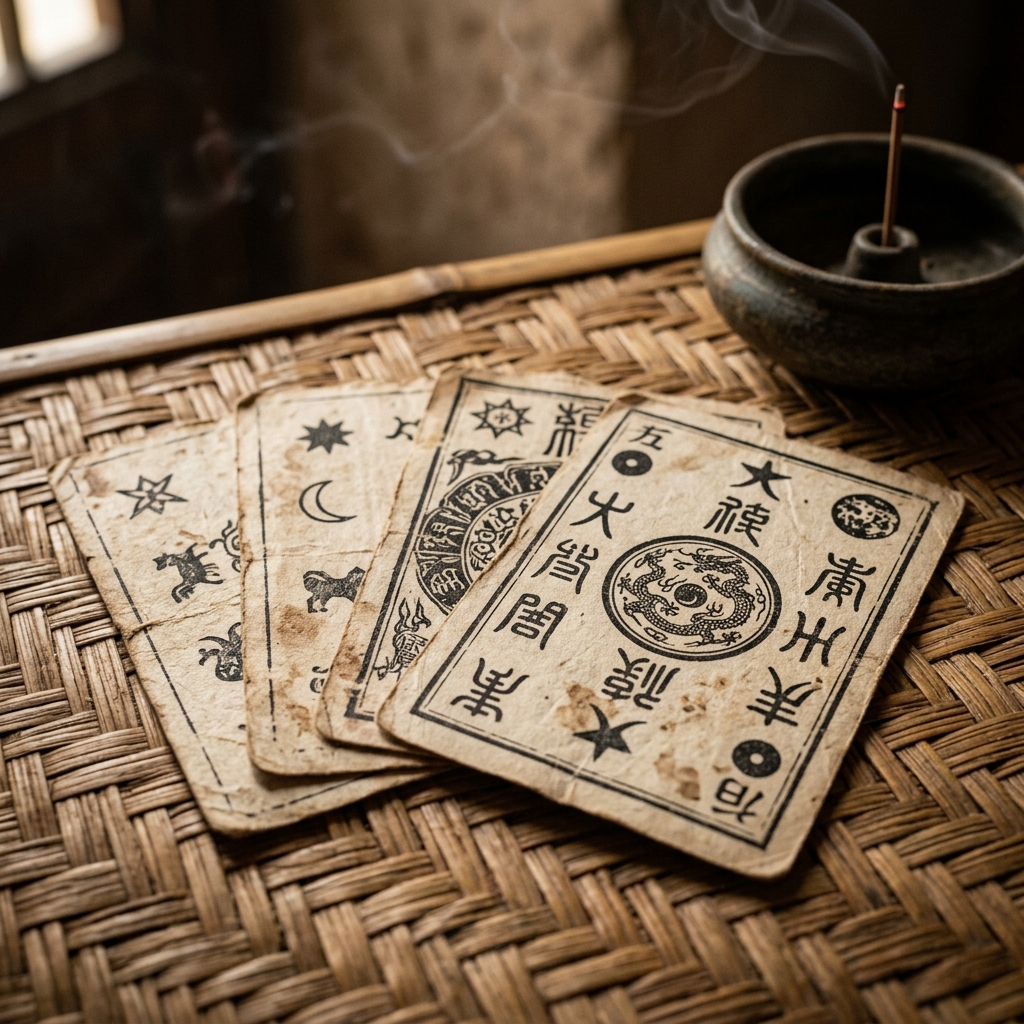
Invented in Tang dynasty China, playing cards were originally printed on paper using woodblock printing techniques. They spread rapidly along the Silk Road, evolving into the 52-card decks with four suits that dominate global entertainment today.
Open in interactive timeline →Verified Facts
- Early Chinese cards also served as paper currency—the games played were often literally gambling with the money itself.
- The four modern suits (Hearts, Diamonds, Clubs, Spades) were standardized in France in the 15th century.
- Playing cards were one of the primary drivers of early woodblock printing technology, long before the printing of books became widespread.
Frequently Asked Questions
What was Playing Cards?
Invented in Tang dynasty China, playing cards were originally printed on paper using woodblock printing techniques. They spread rapidly along the Silk Road, evolving into the 52-card decks with four suits that dominate global entertainment today.
When did Playing Cards happen?
Playing Cards: c. 9th Century CE.
Why does Playing Cards matter?
The birth of portable, randomized gaming.
Sources & Further Reading
Cite This Page
AskHistoryAI. “Playing Cards.” AskHistoryAI — Interactive Timeline of Everything. Updated 2026-09-11. https://askhistoryai.com/event/inv-playing-cards/
Every fact on this page is checked against the published fact ledger and methodology; sources are listed above.