The Intermodal Shipping Container
The physical internet of global trade.
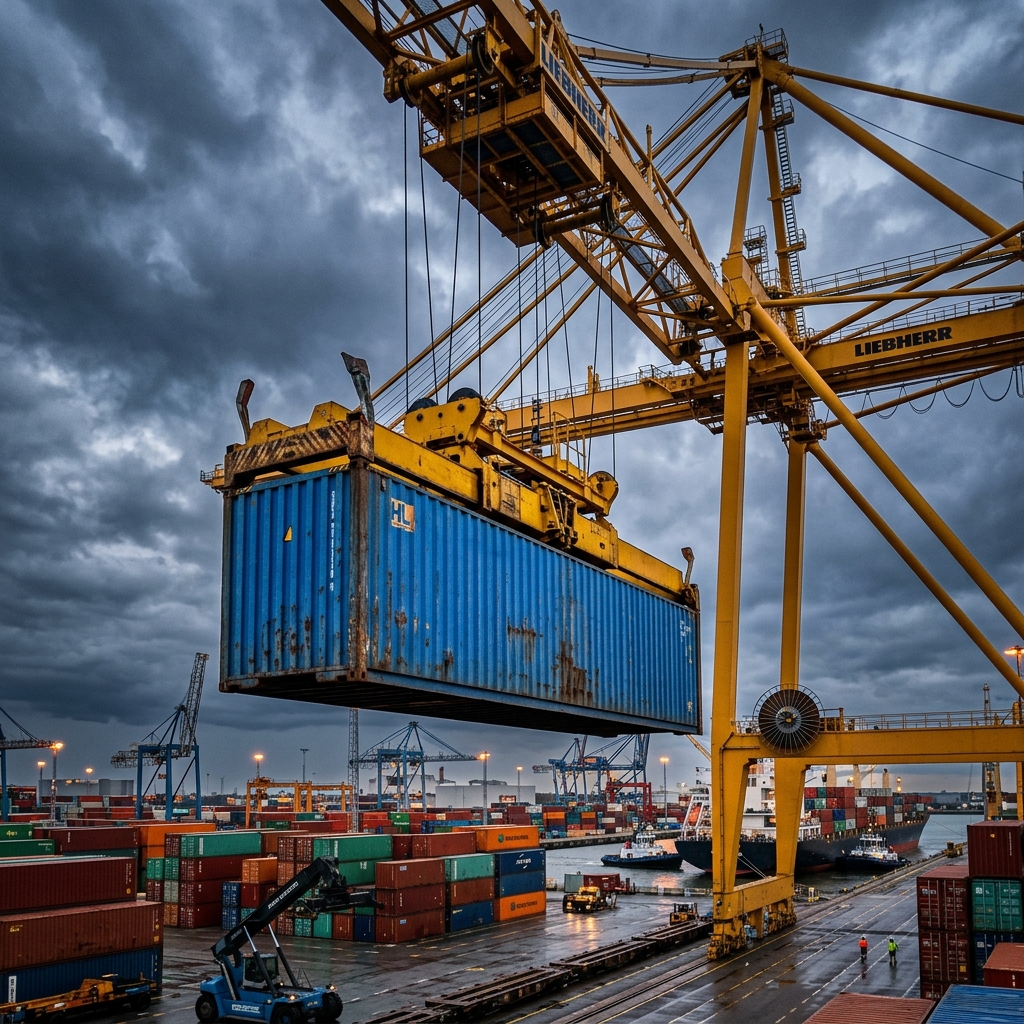
American trucking entrepreneur Malcolm McLean standardized the modern corrugated steel shipping container. By ensuring every container was the exact same size with identical locking corners, he revolutionized how goods were moved.
Open in interactive timeline →Verified Facts
- Before 1956, "break-bulk" shipping meant individual boxes and barrels had to be hand-loaded onto ships by massive crews of longshoremen—a process that took days and was incredibly prone to theft and damage.
- The standardized container could be seamlessly moved from a truck, to a train, to a massive ship without anyone ever opening the box or touching the cargo inside.
- This "boring" metal box plummeted the cost of global freight by over 90%, directly enabling modern globalization, just-in-time manufacturing, and the entire modern consumer economy.
Frequently Asked Questions
What was The Intermodal Shipping Container?
American trucking entrepreneur Malcolm McLean standardized the modern corrugated steel shipping container. By ensuring every container was the exact same size with identical locking corners, he revolutionized how goods were moved.
When did The Intermodal Shipping Container happen?
The Intermodal Shipping Container: 1956 CE.
Why does The Intermodal Shipping Container matter?
The physical internet of global trade.
Sources & Further Reading
Cite This Page
AskHistoryAI. “The Intermodal Shipping Container.” AskHistoryAI — Interactive Timeline of Everything. Updated 2026-09-11. https://askhistoryai.com/event/inv-shipping-container/
Every fact on this page is checked against the published fact ledger and methodology; sources are listed above.