Small Modular Reactors (SMRs) & AI Power
Nuclear batteries for the AI explosion.
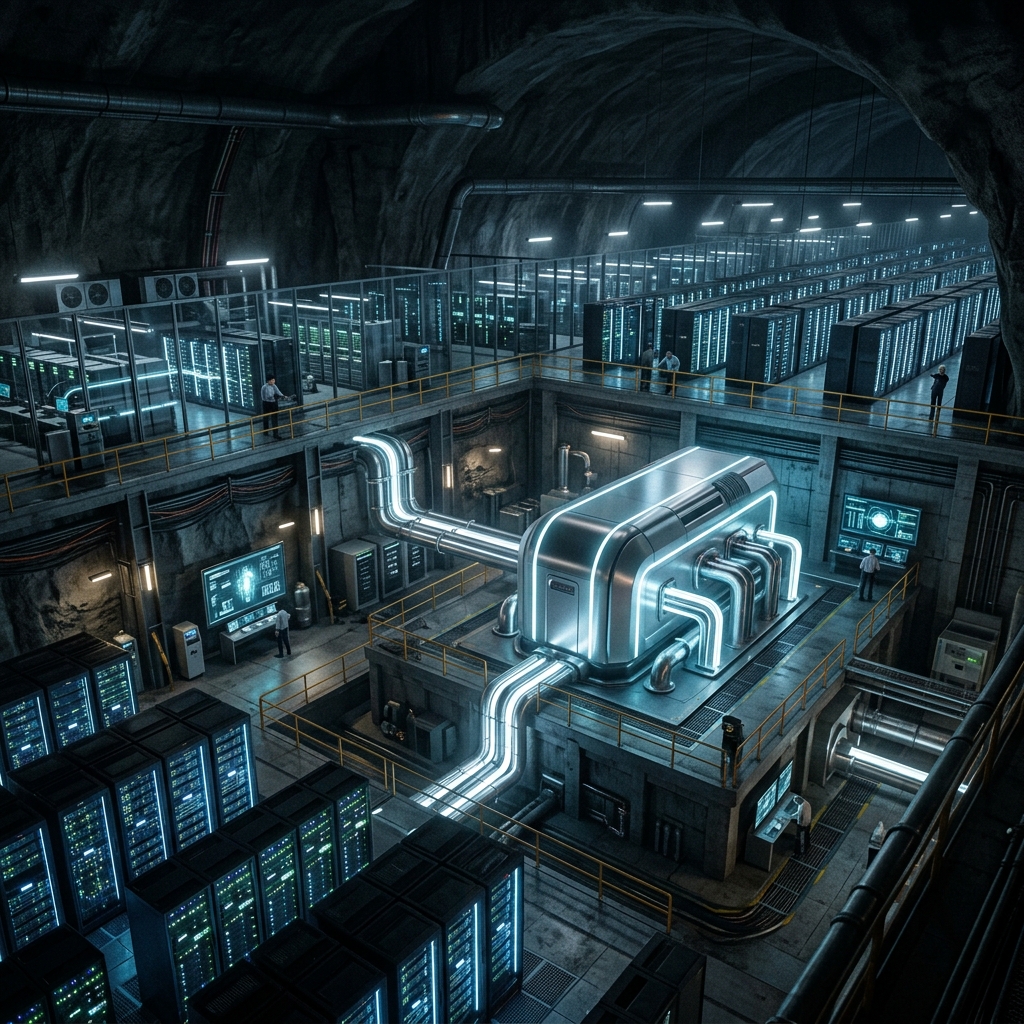
Facing the massive electrical grid constraints caused by the exponential growth of AI data centers, the tech industry pivoted entirely toward funding and deploying Small Modular Reactors (SMRs)—essentially mass-produced "plug-and-play" nuclear fission reactors.
Open in interactive timeline →Verified Facts
- Traditional nuclear power plants are massive, multi-decade civil engineering projects that frequently run billions of dollars over budget. SMRs are designed to be built on an assembly line in a factory and shipped via truck to the data center.
- Between 2024 and 2026, tech giants like Amazon, Google, and Microsoft poured over $10 billion into nuclear startups (like Oklo, Kairos, and X-Energy) directly to secure reliable, 24/7 carbon-free baseload power for their AI clusters.
- With early pilot programs beginning in 2027 and mass commercial deployment targeted for 2030, this shift represents the first time in history that private computing corporations, rather than national governments, became the primary driving force behind nuclear physics.
Frequently Asked Questions
What was Small Modular Reactors (SMRs) & AI Power?
Facing the massive electrical grid constraints caused by the exponential growth of AI data centers, the tech industry pivoted entirely toward funding and deploying Small Modular Reactors (SMRs)—essentially mass-produced "plug-and-play" nuclear fission reactors.
When did Small Modular Reactors (SMRs) & AI Power happen?
Small Modular Reactors (SMRs) & AI Power: Oct 2024 - 2030 CE.
Why does Small Modular Reactors (SMRs) & AI Power matter?
Nuclear batteries for the AI explosion.
Sources & Further Reading
Cite This Page
AskHistoryAI. “Small Modular Reactors (SMRs) & AI Power.” AskHistoryAI — Interactive Timeline of Everything. Updated 2026-09-11. https://askhistoryai.com/event/tech-fission-smr/
Every fact on this page is checked against the published fact ledger and methodology; sources are listed above.