Basil the Great
The Cappadocian Father who finalized the Trinity and invented the hospital.
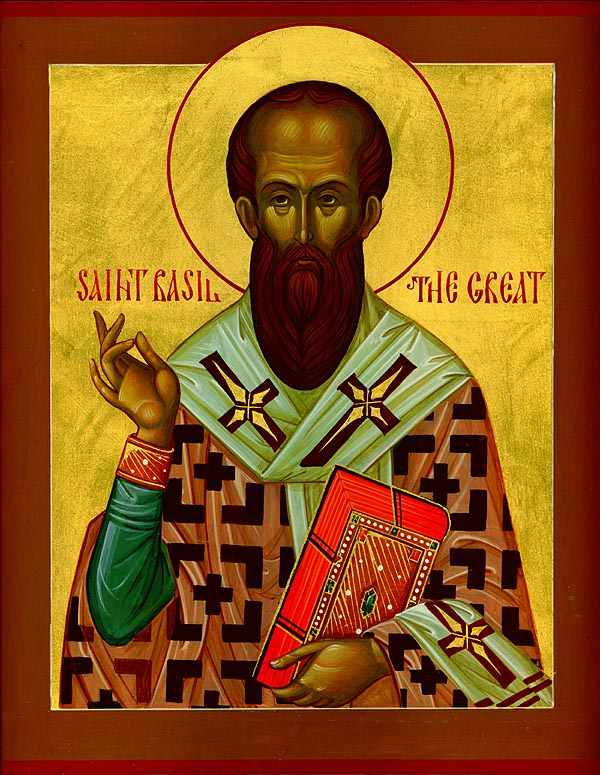
Bishop of Caesarea in Cappadocia (modern Turkey) and the eldest of the three "Cappadocian Fathers." Basil was a theologian, monastic organizer, and social reformer who played a decisive role in finalizing Trinitarian theology and establishing the monastic tradition that still dominates Eastern Christianity.
Open in interactive timeline →Verified Facts
- His monastic Rule (the "Asketikon") became the foundational document of Eastern Christian monasticism—equivalent to what the Rule of St. Benedict became in the West. It emphasizes communal living and charitable service over extreme individual asceticism.
- He built the "Basiliad," a massive complex outside Caesarea that included a hospital, a poorhouse, and a hospice for travelers. It is often cited as one of the first hospitals in the history of the world.
- Along with his brother Gregory of Nyssa and friend Gregory of Nazianzus, he developed the precise Trinitarian formula that resolved the Arian crisis: one God in three hypostases (persons), sharing one ousia (essence). This became the permanent orthodoxy of Christianity.
- He was one of the few church fathers who came from a spectacularly devout family: his grandmother Macrina the Elder, his mother Emmelia, his sister Macrina the Younger, and his brother Gregory of Nyssa are ALL venerated as saints.
Frequently Asked Questions
Who was Basil the Great?
Bishop of Caesarea in Cappadocia (modern Turkey) and the eldest of the three "Cappadocian Fathers." Basil was a theologian, monastic organizer, and social reformer who played a decisive role in finalizing Trinitarian theology and establishing the monastic tradition that still dominates Eastern Christianity.
When did Basil the Great live?
Basil the Great: c. 329–379 CE.
Why does Basil the Great matter?
The Cappadocian Father who finalized the Trinity and invented the hospital.
Sources & Further Reading
Cite This Page
AskHistoryAI. “Basil the Great.” AskHistoryAI — Interactive Timeline of Everything. Updated 2026-09-11. https://askhistoryai.com/event/cf-basil-great/
Every fact on this page is checked against the published fact ledger and methodology; sources are listed above.