Cyril of Alexandria
The ruthless theologian who defined Christ's nature at Ephesus.
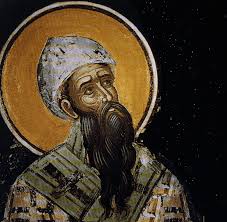
Patriarch of Alexandria and one of the most powerful and controversial figures in early Christianity. His theological campaign against Nestorius at the Council of Ephesus (431 CE) defined the orthodox understanding of Christ's nature and cemented Alexandria's dominance in Eastern theology.
Open in interactive timeline →Verified Facts
- He orchestrated the condemnation of Nestorius (Patriarch of Constantinople) at the Council of Ephesus in 431 CE. Nestorius argued that Mary should be called "Christotokos" (Christ-bearer), not "Theotokos" (God-bearer). Cyril insisted on Theotokos—and won.
- His methods were notoriously ruthless. He arrived at Ephesus with a mob of Egyptian monks, opened the council before the Syrian bishops (who supported Nestorius) could arrive, and railroaded the condemnation through in a single day.
- He is traditionally (and controversially) associated with the murder of Hypatia, the famous Neoplatonist woman philosopher of Alexandria, who was lynched by a Christian mob in 415 CE. The exact extent of his involvement remains debated.
- Despite his brutal politics, his Christological formula—"one nature of the incarnate Word"—became the foundation for the Definition of Chalcedon (451 CE) and remains central to both Catholic and Orthodox understanding of Christ.
Frequently Asked Questions
Who was Cyril of Alexandria?
Patriarch of Alexandria and one of the most powerful and controversial figures in early Christianity. His theological campaign against Nestorius at the Council of Ephesus (431 CE) defined the orthodox understanding of Christ's nature and cemented Alexandria's dominance in Eastern theology.
When did Cyril of Alexandria live?
Cyril of Alexandria: c. 376–444 CE.
Why does Cyril of Alexandria matter?
The ruthless theologian who defined Christ's nature at Ephesus.
Sources & Further Reading
Cite This Page
AskHistoryAI. “Cyril of Alexandria.” AskHistoryAI — Interactive Timeline of Everything. Updated 2026-09-11. https://askhistoryai.com/event/cf-cyril-alexandria/
Every fact on this page is checked against the published fact ledger and methodology; sources are listed above.