Paraffin Wax (The Modern Candle)
Clean, bright light for the masses.
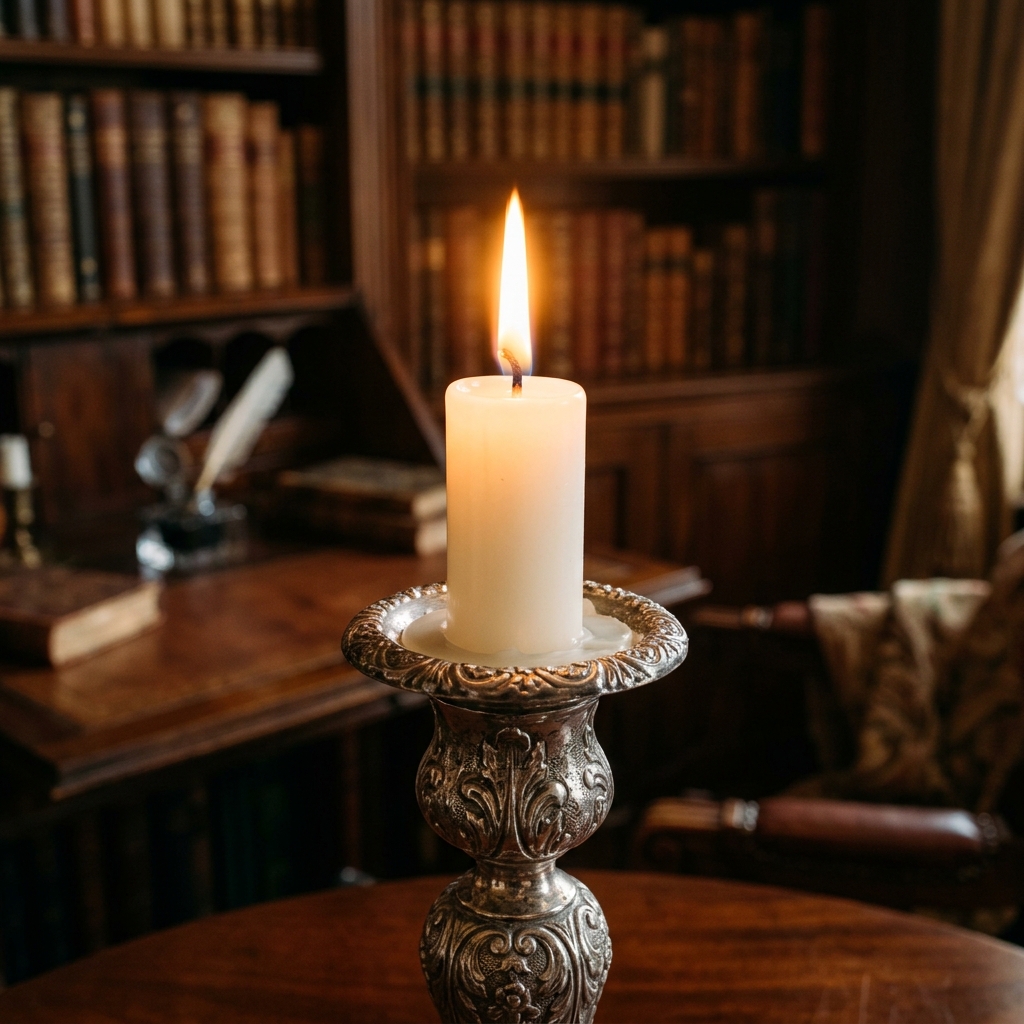
German chemist Carl von Reichenbach identified paraffin wax while attempting to refine petroleum. Combined with the earlier discovery of stearic acid, this completely revolutionized the candle industry.
Open in interactive timeline →Verified Facts
- Before the 1830s, you either had to be extremely wealthy to afford clean-burning beeswax candles, or you had to burn tallow (animal fat) candles, which smoked heavily and smelled like rotting meat.
- Paraffin wax was cheap, odorless, and burned brightly without smoking, finally bringing high-quality lighting to the working and middle classes.
- It was the final, perfected iteration of the candle, arriving just a few decades before the electric lightbulb made candles obsolete for pure utility.
Frequently Asked Questions
What was Paraffin Wax (The Modern Candle)?
German chemist Carl von Reichenbach identified paraffin wax while attempting to refine petroleum. Combined with the earlier discovery of stearic acid, this completely revolutionized the candle industry.
When did Paraffin Wax (The Modern Candle) happen?
Paraffin Wax (The Modern Candle): 1830 CE.
Why does Paraffin Wax (The Modern Candle) matter?
Clean, bright light for the masses.
Sources & Further Reading
Cite This Page
AskHistoryAI. “Paraffin Wax (The Modern Candle).” AskHistoryAI — Interactive Timeline of Everything. Updated 2026-09-11. https://askhistoryai.com/event/inv-paraffin-wax/
Every fact on this page is checked against the published fact ledger and methodology; sources are listed above.